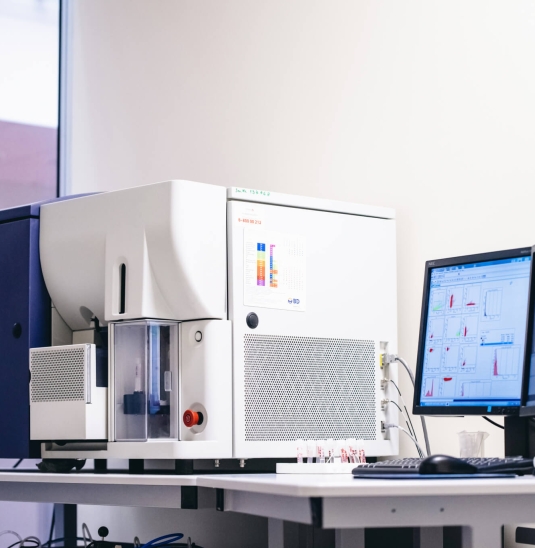
The main focus of Department of Stem Cell Biology is directed towards fundamental and applied stem cell research. This department consists of two main research groups. First one is Human Stem Cell Research Group, which focuses on the human mesenchymal stem cells (MSCs)-derived extracellular vesicles and neurodegenerative disease modeling in vitro. Second one is Animal Stem Cell Research Group, which concentrate on hematopoietic stem cells and in vivo studies.

The department employs experienced scientists, including molecular biologists, immunologists, physiologists, pathologist, collaborating clinical scientists and medically qualified doctors, who have extensive networks and numerous collaborations worldwide. Our staff participate in joint European, industrial and international projects.
We have high level collaboration with laser physicists, chemists, surgeons, rheumatologists and other professionals, which makes our department an ideal partner for joint multidisciplinary projects and European Commission consortia.
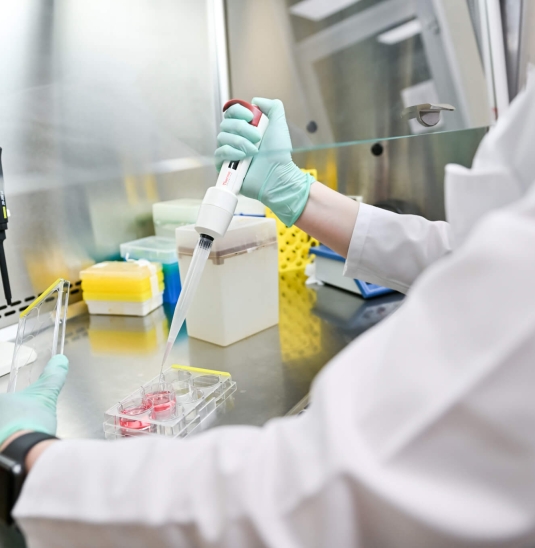
The main attention is paid on characterization of immunity state in case of pathology, search of the objective bio markers for diseases diagnostics and immunotherapy effectiveness motoring. The department extends mice, rats monoclonic antibodies collection and it also provides mice, rabbits, rats and chickens origin polyclonal antibodies production.
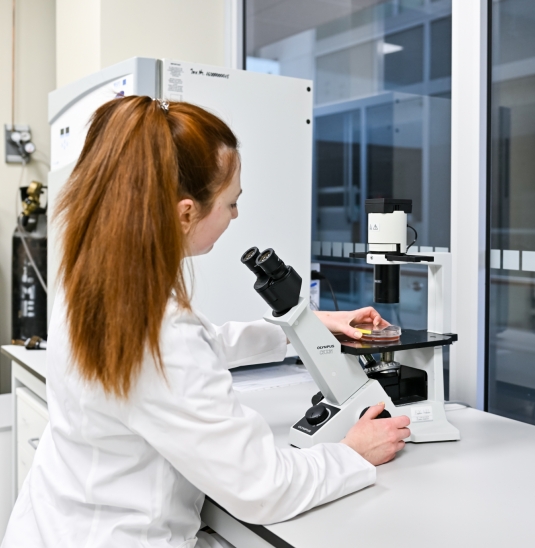
Research studies and experimental development are implemented in this department.
The aim is to examine, develop and transfer new technology in health care practice: methods of diagnostics and treatment, medical devices, advanced therapy technologies, digital solutions, the methodology of preventive health care and etc.
The main areas of the research studies:
- Rheumatology
- Cardiology
- Phototherapy
- Medical imaging technology
- Digital medicine
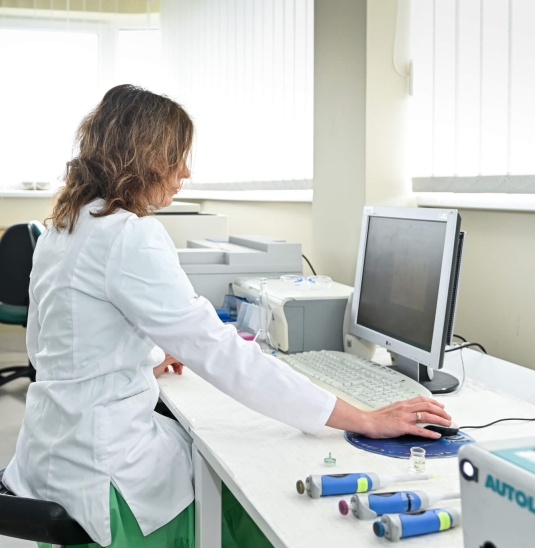
The DEPARTMENT OF PRECLINICAL RESEARCH participates in the programme “Molecular and Cellular Immunity Studies in Biological Models at in vitro and in vivo Conditions”. The aim of this program is to develop the individualized therapy technologies based on the investigation of molecular and cellular immunity mechanisms in vitro and in vivo biomodels. Theme: “Biomodels and their Application in the Study of the Immune Processes”.