STATE RESEARCH INSTITUTE CENTRE FOR INNOVATIVE MEDICINE
A public legal entity executing long-term research and experimental development important to the state, society, international cooperation, or economic entities.
The Centre’s mission is to ensure scientific excellence, aiming to optimally meet the needs of international-level biomedical research and experimental development crucial for national healthcare, as well as the sustainability and development of society.
The Centre’s operational goals:
1. To carry out long-term research and experimental development in specific field(s) relevant to national healthcare, as well as society’s sustainability and development;
2. To cooperate with business, government, and public representatives, perform commissioned research and experimental development work, and provide methodological and other assistance to medical and social care institutions, as well as science and study institutes;
3. To disseminate scientific knowledge in society, integrate it into healthcare, social, and economic activities, and contribute to the creation of an innovation- and knowledge-based economy and the education of a knowledge-intensive society.
History
The origins of today's State Research Institute Centre for Innovative Medicine date back to 1945.
At that time, within the system of the then Lithuanian SSR Academy of Sciences, the Institute of Experimental Medicine and Oncology was established through the efforts and funds of abroad Lithuanians. At the time, it was the most important medical research institution in the Republic. The founder and first director of the institute was Professor Vytautas Girdzijauskas, MD, PhD (who led the institute from 1945 to 1956).
In 1957, after the Institute of Oncology separated, all activities of the Institute of Experimental Medicine were redirected toward addressing the etiology, pathogenesis, treatment, and prevention of rheumatic diseases. During this period (1957–1962), the institute was headed by Bronislovas Penkauskas, MD, PhD, and from 1964, by Professor Liubomiras Laucevičius, MD, PhD.
From 1966, the institute was named the Scientific Research Institute of Experimental and Clinical Medicine and belonged to the Ministry of Healthcare of the Lithuanian SSR. In 1970, Professor Alfonsas Matulis, MD, PhD, became the director of the institute and led it for 24 years (1970–1994). In 1994, his student, Professor Algirdas Venalis, Habil. Dr., became the head of the institute. Thanks to the efforts of this institute's staff, a harmonious system for combating rheumatic diseases was created in the republic.
IMC Activities After the Restoration of Independence
After Lithuania restored its independence, the institute continued its activities, but as a state research institution subordinate to the Ministry of Education and Science. In addition to traditional research on the pathogenesis mechanisms, diagnostics, and treatment efficacy of rheumatic diseases, new fields began to develop—including regenerative medicine, stem cell biology research, and evaluation of the application of photomedicine in rheumatology, among others. A new state approach to the prospects of Lithuanian science encouraged changes in the scientific system. As part of the optimization plan for Lithuanian science and studies, in 2002 the state Institute of Experimental and Clinical Medicine was reorganized into a university research institute—the Institute of Experimental and Clinical Medicine of Vilnius University.
A new step toward strengthening and optimizing the field of biomedical research was taken in 2009, when, by Resolution No. 1794 of the Government of the Republic of Lithuania on December 23, 2009, the State Research Institute Centre for Innovative Medicine was established by merging the VU Institute of Experimental and Clinical Medicine with the VU Institute of Immunology.
The former VU Institute of Immunology—led from 1990 to 2006 by Prof. Habil. Dr. V. Tamošiūnas, and later by Dr. Mykolas Mauricas—was relatively young (established in 1990 as a state research institute, associated with the Lithuanian Academy of Sciences in 1996, and becoming the Institute of Immunology of Vilnius University in 2002), yet strong in the field of fundamental immunology research. It strengthened the experimental biology and medical research base of the newly established institute and expanded the scope of ongoing topics into new areas: research into the molecular and cellular patterns of immune function, as well as research into immune status functional activity and the factors affecting it.
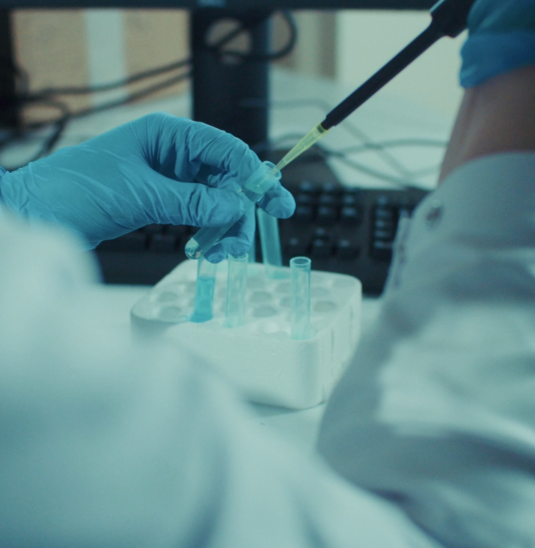
Currently, following the separation of the Gerontology Centre from the institute's structure in 2012, scientific activities are carried out across six scientific departments: the Department of Stem Cell Biology, Department of Regenerative Medicine, Department of Immunology and Bioelectrochemistry, Department of Personalized Medicine, Department of Biopharmaceutics, and Department of Preclinical Research. The institute employs over 50 PhD holders and hosts around 20 doctoral students.
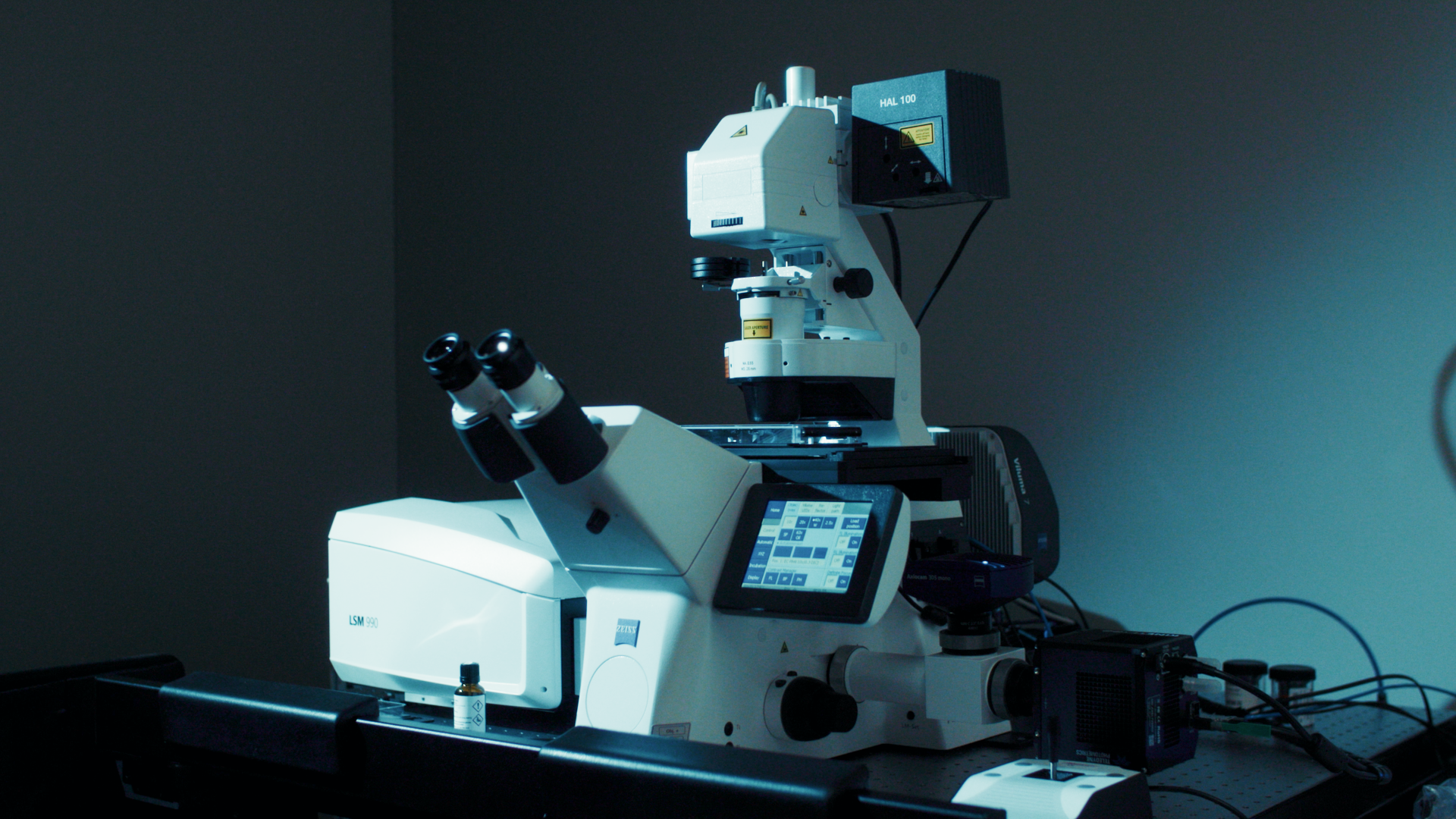
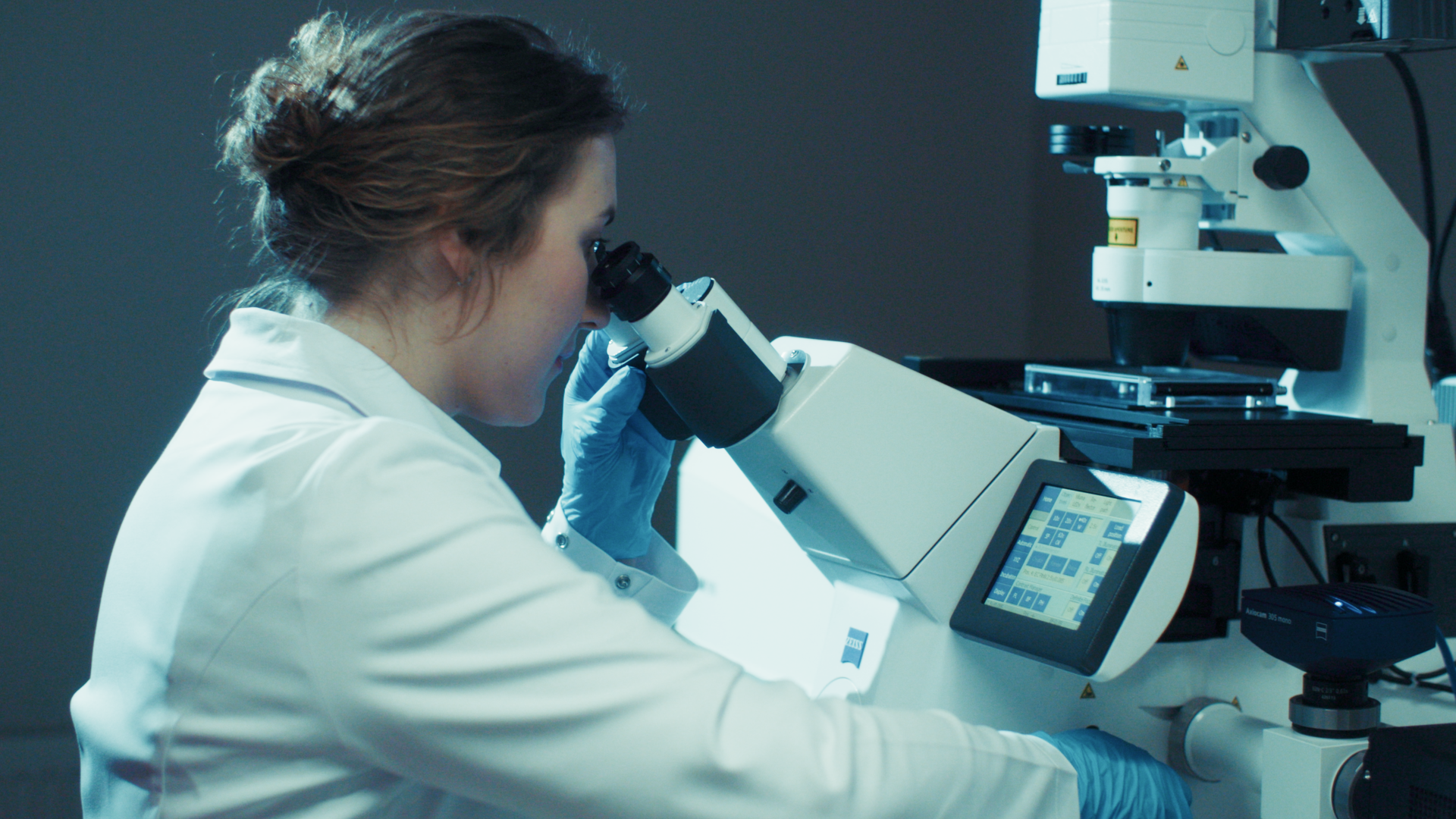
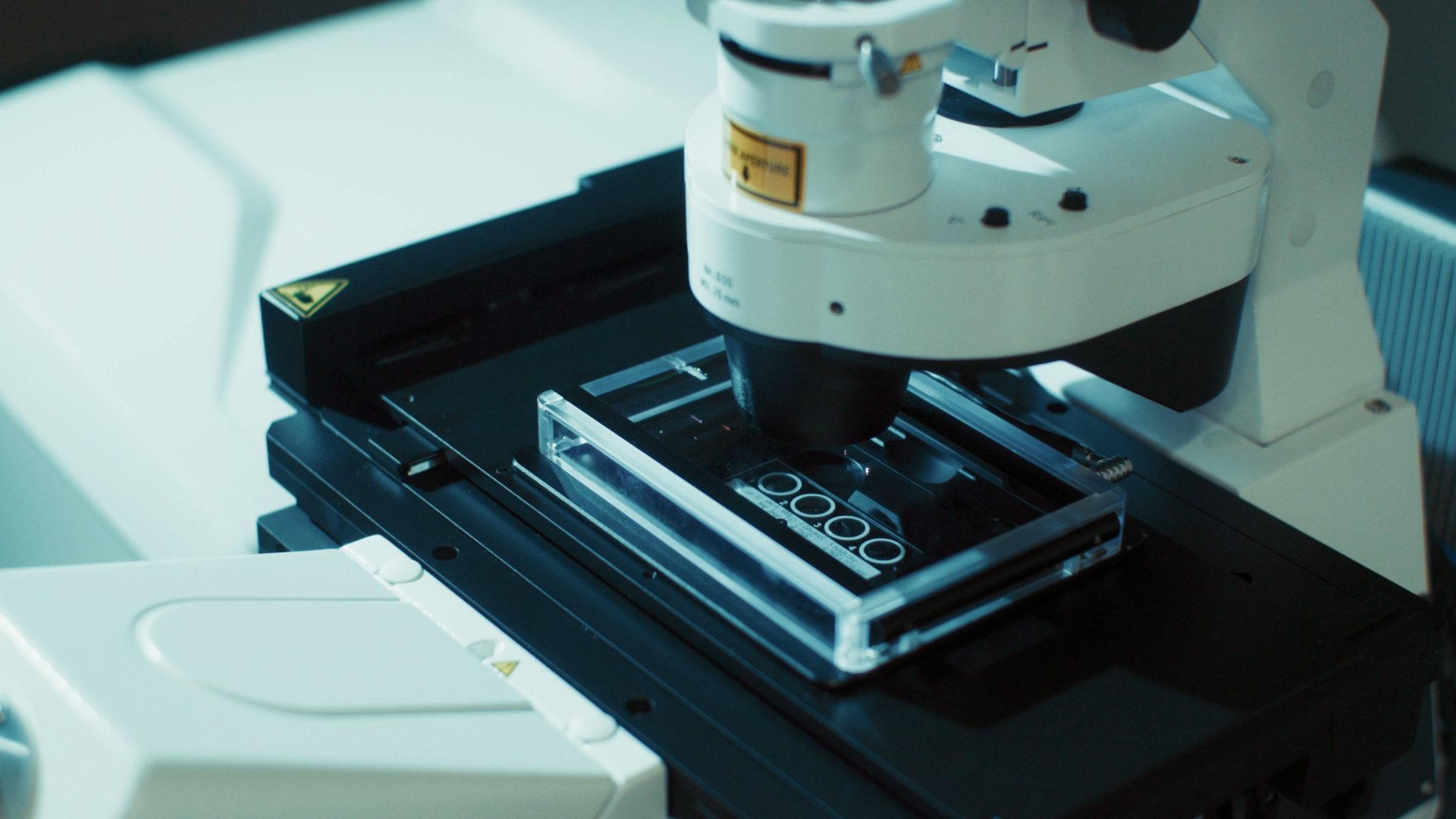
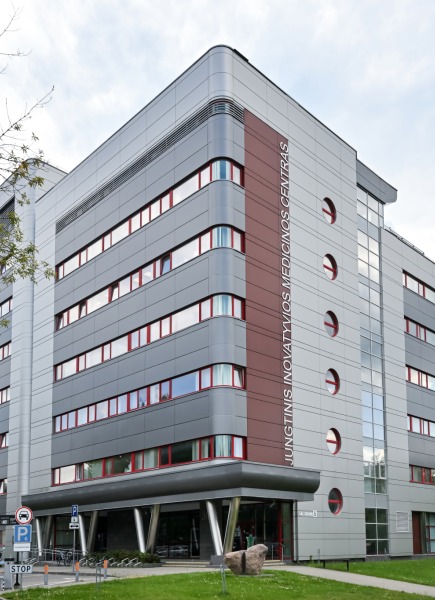
Under the strategy and operational program for the implementation of European Union structural assistance, the Ministry of Education and Science approved the project for the establishment of the Joint Centre for Innovative Medicine in 2010. This project is part of the development program for the Integrated Science, Studies, and Business Centre (Valley) "Santara". The project was executed by the State Research Institute Centre for Innovative Medicine together with the Vilnius University Hospital Santariškių Klinikos. As part of this initiative, a scientific centre for research, studies, and technological development in innovative medical technologies, molecular medicine, and biopharmaceutics was established within the Santariškės medical campus. A building spanning nearly 8.6 thousand square metres was constructed, to which the institute relocated at the end of 2015. Additionally, open-access scientific laboratories were equipped with world-class scientific equipment, designed to provide research and experimental development services.

-a229ca15c3beb9076be3140af5c331bd.jpg)
Vytenis Urbonavičius
Head of General Affairs Department
Rokas Didžiapetris
Counselor